

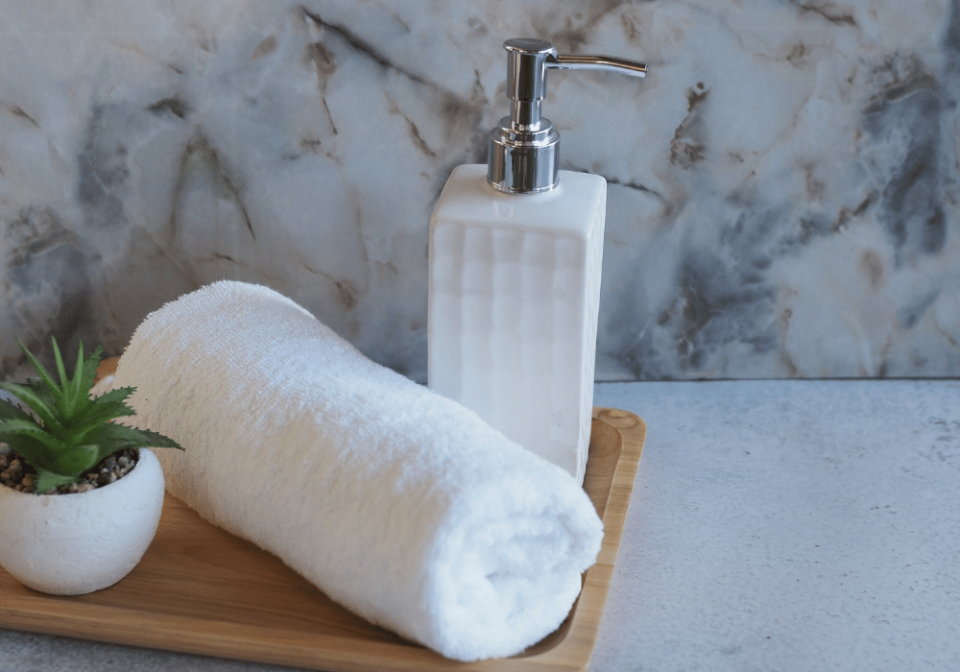
Hotel bathroom amenities play a bigger role in the guest experience than their size might suggest. From the convenience of finding shampoo and body wash readily available to the cleanliness and usability of the bathroom itself, these details can influence how guests perceive their stay. For hotel operators, providing bathroom amenities in hotels that balance comfort, accessibility, hygiene, and operational practicality requires thoughtful planning.
Modern amenity dispensers offer an opportunity to improve the guest experience while simplifying housekeeping, reducing packaging waste, and making bathroom upkeep more manageable.
Make Everyday Bathroom Essentials Easy to Use
 Guests generally expect the bathroom to be a comfortable, functional space where they can find the essentials without unnecessary inconvenience. Shampoo, conditioner, body wash, and hand soap should be easy to access and clearly identified.
The way these products are presented matters. Individual bottles may offer a familiar experience, but they can also require guests to handle multiple containers and deal with packaging that takes up counter or shower space. Wall-mounted dispensers can provide a more organized alternative by keeping products in consistent locations.
When selecting dispensers, consider how easily guests can operate them. Pump mechanisms should be intuitive, labels should be legible, and the placement should allow guests to reach products without awkward movements. Simple design decisions can make the bathroom more comfortable for guests with different preferences and mobility needs.
Providing a consistent arrangement across guest rooms can also make amenities easier to locate. When guests encounter the same dispenser layout throughout their stay, they may spend less time figuring out where products are stored or how they work.
Choose Tamper-Resistant Dispensers for Greater Confidence
Guest comfort also depends on feeling confident that bathroom products are clean, secure, and properly maintained. Hotel amenity dispensers should be designed to protect their contents while allowing housekeeping staff to manage them efficiently.
Tamper-resistant dispensers help address concerns about unauthorized access to product containers. Locking systems can prevent guests from opening or removing the contents, helping hotels maintain greater control over how amenities are stored and handled.
The dispenser’s design and construction also matter. Durable housings, secure mounting systems, and dependable dispensing mechanisms can help support regular use in busy hotel environments.
When evaluating dispenser options, consider whether the system offers:
- Locking mechanisms that restrict access to the product reservoir
- Secure wall mounting
- Reliable pumps that dispense products consistently
- Replacement parts for components that wear out
- Materials and finishes suitable for frequent cleaning
These features can help hotels maintain a more consistent amenity setup while reducing the likelihood of dispensers being damaged or tampered with. However, dispenser design alone does not replace proper cleaning, inspection, and product handling procedures.
Consider Accessibility and Placement
Accessibility should be considered when planning bathroom fixtures, controls, and amenities. Reviewing applicable accessibility standards and the needs of guests with different mobility, reach, and dexterity requirements can help hotels make more thoughtful decisions about dispenser placement and bathroom layouts.
Hotels should consider the height, spacing, positioning, and operating mechanism of dispensers when planning installations. Controls that require excessive force or awkward reaching may create unnecessary barriers for some guests.
The surrounding bathroom layout also matters. Dispensers should not obstruct grab bars, shower controls, doorways, or other features intended to support safe movement. Where accessible rooms are offered, amenity placement should be considered alongside the room’s broader accessibility design.
A well-positioned dispenser can help reduce clutter on shower ledges and countertops while keeping products within convenient reach. This can benefit a wide range of guests, not only those with specific accessibility requirements.
Hotels should assess placement according to applicable accessibility standards and the needs of their guests rather than assuming that one mounting height or arrangement works for every bathroom.
Simplify Housekeeping and Restocking
Amenity systems should work well for housekeeping teams as well as guests. Staff members need to inspect, clean, refill, and maintain bathroom dispensers efficiently, particularly when managing multiple rooms during busy periods.
Individual bottles can involve several tasks, including checking quantities, replacing empty containers, collecting used packaging, and arranging new products. Wall-mounted dispensers can help reduce some of these repetitive steps by keeping amenities in a fixed location and allowing products to be replenished in bulk.
When selecting a system, consider how easily housekeeping staff can:
- Identify which products need replenishing
- Access reservoirs or refill components
- Clean the dispenser’s exterior and surrounding surfaces
- Replace worn pumps, buttons, or other components
- Confirm that dispensers are functioning properly
The refill process should be straightforward, with clear procedures for handling products and preventing contamination. Staff training can help ensure dispensers are maintained consistently and that guests receive a dependable experience.
A system that is difficult to refill or requires frequent repairs may create unnecessary operational work. Evaluating the practicalities of maintenance before choosing a dispenser can help hotels make a more informed investment.
Reduce Packaging Waste Without Sacrificing Guest Comfort
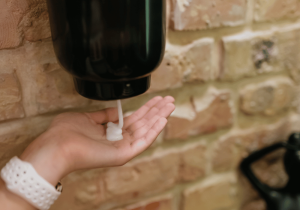 Hotels are increasingly considering ways to reduce disposable packaging in guest rooms. Individual amenity bottles can contribute to waste, particularly in properties with high occupancy and frequent room turnover.
Refillable dispensers can help reduce the number of small containers used and discarded. Instead of replacing individual bottles after each stay, housekeeping teams can replenish larger reservoirs as needed, depending on the dispenser design and hotel procedures.
This approach can also help reduce the amount of packaging hotels need to purchase, store, and manage. Buying amenity products in larger quantities may offer additional operational advantages, although the overall cost savings depend on product pricing, usage, maintenance, and the hotel’s existing practices.
The guest experience should remain a priority when making this change. Guests still need access to quality products, clear labels, dependable dispensing, and clean bathroom surfaces. A refillable system should support these expectations rather than simply replacing disposable packaging.
Hotels can also consider how the dispenser’s appearance complements the bathroom. A well-designed system can contribute to a polished, organized environment while supporting a more practical amenity program.
Select a Dispenser Design That Complements the Bathroom
Bathroom amenities can contribute to a hotel’s visual identity. Dispenser styles, finishes, labels, and mounting arrangements can influence whether the bathroom feels cohesive and thoughtfully designed.
A dispenser that suits the room’s finishes and layout can help maintain a consistent appearance across guest rooms, suites, and shared facilities. Sleek designs may work well in contemporary hotels, while other finishes may suit properties with more traditional interiors.
Consider how dispensers will look alongside shower fixtures, tiles, countertops, mirrors, and other bathroom elements. The system should fit the available space without making the room feel crowded.
Hotels may also benefit from selecting a consistent dispenser system across multiple room types. Standardizing the setup can simplify purchasing, maintenance, and staff training while helping guests encounter a familiar arrangement throughout the property.
Build a Bathroom Amenity Program That Works for Guests and Staff
The right bathroom amenity system should balance the needs of guests with the practical demands of hotel operations. Comfortable placement, tamper-resistant construction, dependable dispensing, efficient restocking, and a cohesive appearance all contribute to a more functional guest bathroom.
Dispenser Amenities offers a collection of hotel amenity dispensers designed to support guest comfort, tamper resistance, and more practical amenity management. Hotels looking to update their bathroom amenity programs can browse the dispenser collection to compare available options.
For help selecting a dispenser system that fits your property’s needs, connect with Dispenser Amenities and discuss your hotel’s amenity requirements.
FAQs
Why are wall-mounted dispensers useful for hotels?
Wall-mounted dispensers can help organize bathroom products, reduce countertop and shower ledge clutter, simplify restocking, and reduce the need for individual amenity bottles.
What makes hotel amenity dispensers tamper-resistant?
Tamper-resistant dispensers typically use locking mechanisms that prevent guests from accessing or opening the product reservoirs. Secure designs can help hotels maintain control over amenity contents.
How can hotels make bathroom dispensers more accessible?
Hotels can consider dispenser height, positioning, labels, operating mechanisms, and surrounding space when planning installations. Placement should support convenient access without obstructing other accessibility features.
